






You have done the research. You know what a notary does. You may already have your commission, or you may be close. You have started thinking about booking your first client.
Before you do, there are five questions worth sitting with honestly. Not to discourage you. To prepare you.
The aspiring notaries who get through their first year without major setbacks are not the ones who never face hard situations. They are the ones who ask the right questions before a hard situation forces the answer.
Q1: Do You Know What to Do If a Signer’s ID Does Not Match?
It happens more often than new notaries expect. A signer presents an ID where the name does not exactly match the document. A middle name may be missing. A maiden name may appear. A suffix may be inconsistent.
What do you do?
If your answer is ‘I am not sure,’ that uncertainty is going to feel very different when you are sitting across from a signer who is waiting for you to proceed, a real estate transaction is pending, or a family document needs to be completed that day.
According to Georgia law, a notary is required to confirm the identity of the signer, oath taker, or affirmant based on personal knowledge or satisfactory evidence. That means identity is not a small detail. It is one of the foundations of the notarial act.
The point is not to memorize every possible name variation. The point is to know where your state guidance begins and where your judgment must slow down. When the name, identification, or document details do not line up clearly, a prepared notary knows to pause, review the proper guidance, and avoid guessing under pressure.
This is not advanced knowledge. It is foundational. And it is something many aspiring notaries assume they will figure out when it comes up – which is the wrong time to figure it out.
Q2: Are You Clear on What You Cannot Notarize in Your State?
Every state has limits on what a notary can do. Some limits involve conflicts of interest. Some involve the signer. Some involve the document, the certificate, or the notary’s own role in the transaction.
For example, a Georgia notary may be disqualified when the notary is a signer of the document or a party to the document or transaction. Georgia law also recognizes that a notary is not obligated to perform a notarial act when the notary knows or suspects the transaction is illegal, false, or deceptive; when coercion is involved; or when the signer’s demeanor creates serious doubt about whether the signer understands the consequences of the transaction.
But there is a subtler version of this question that trips up new notaries more often: what do you do when a signer hands you a document you have never seen before and asks, ‘Can you notarize this?’
The safe answer is not to pretend you know. The professional answer is to stay inside your role. A notary can identify the requested notarial act, verify the signer, complete the certificate, and follow state procedures. A notary should not choose legal language for the signer, explain what the document means, or turn uncertainty into legal advice.
Overstepping your authority as a notary is not a small issue. It can create problems for the signer, expose the notary to liability, and in serious cases, lead to disciplinary consequences. Knowing your limits before you sit down at a table is part of the job.
Q3: Do You Understand Your Liability If Something Goes Wrong?
New notaries often think of their commission as a credential. It is also a legal responsibility.
If a notarization is handled improperly – the wrong certificate is completed, identity is not properly confirmed, the journal entry is incomplete, or the notary proceeds when there are serious concerns about willingness or awareness – the consequences can go beyond embarrassment. There can be complaints, corrections, claims, and financial risk.
Do you have Errors and Omissions insurance? Do you understand what it covers and what it does not cover? Do you know the difference between an unintentional notarial mistake and an issue that may fall outside the policy? Do you understand that a policy is protection, not permission to work carelessly?
If the answer is no, that is not a reason to stop. It is a reason to get informed before your first appointment – not after your first complaint.
This question is not about fear. It is about professionalism. The notaries who take their responsibility seriously before they start are the ones who build practices that last.
Q4: Have You Actually Practiced Your Process End to End?
There is a significant difference between knowing how a notarization works and being able to execute one smoothly, confidently, and correctly under real conditions.
Have you walked through a complete appointment – from greeting the signer, to requesting identification, to reviewing the notarial certificate, to recording the appointment in your journal or signing record – from start to finish, out loud, as if a real client were sitting across from you?
Most aspiring notaries have not. They have read the steps. They have watched videos. They may have completed the required training. But they have not practiced the actual appointment experience.
Notarization is a professional act. The signer is watching you for signs that you know what you are doing. Hesitation, uncertainty, fumbling through your journal, or asking the signer to wait while you search for a basic answer can all affect the confidence that makes clients call you back.
Knowing the steps is not the same as being able to execute them smoothly when a real person is waiting.
Practice before your first appointment. Do a dry run with a friend or family member. Walk through it until the process feels natural – not just understood.
Q5: Do You Have a Reliable Resource When You Are Unsure?
This is the question most aspiring notaries have not thought about – and the one that may matter most.
You will face a situation you are not sure how to handle. Every notary does. The question is not whether that moment will come. The question is: when it does, where will you turn?
A mentor. A more experienced notary. Your state notary handbook. Official state guidance. A professional training resource. Someone or something you can rely on before you guess.
The Georgia Notary Guide is one resource built specifically for this — it covers Georgia notary law, your responsibilities, and the situations most new notaries don’t expect. Pick up a copy for $7 at Williams Mobile Signings.
Without that resource, you have two options: guess or delay. Neither one is ideal. Guessing can create risk. Delaying without a plan can frustrate the client and leave you feeling unprepared.
This is not a sign of weakness. It is the mark of a professional. Experienced notaries know that judgment develops over time and that having a reliable place to turn is not a shortcut. It is a system.
Before your first client, know your resources. If you do not have them yet, that is one of the most important gaps to close.
Uncertainty now is far better than uncertainty in the middle of an appointment.
Your Answers Are Your Starting Point
If you read through these five questions and felt confident about all of them, good. You have done real preparation, and it will show.
If you read through them and felt uncertain about one or more, that is useful too. Uncertainty before your first appointment is information. It shows you exactly what to work on before you book your first client.
Readiness is not about having every answer memorized. It is about knowing which questions to ask first, where to find the right guidance, and how to prepare before the moment requires you to respond.
| These are the kinds of questions every aspiring notary should work through before accepting a first appointment. If you are in Metro Atlanta and want to prepare with more confidence, stay connected with Williams Mobile Signings for notary education, resources, and future training.
Learn more at WilliamsMobileSignings.com. Your answers are your starting point. |
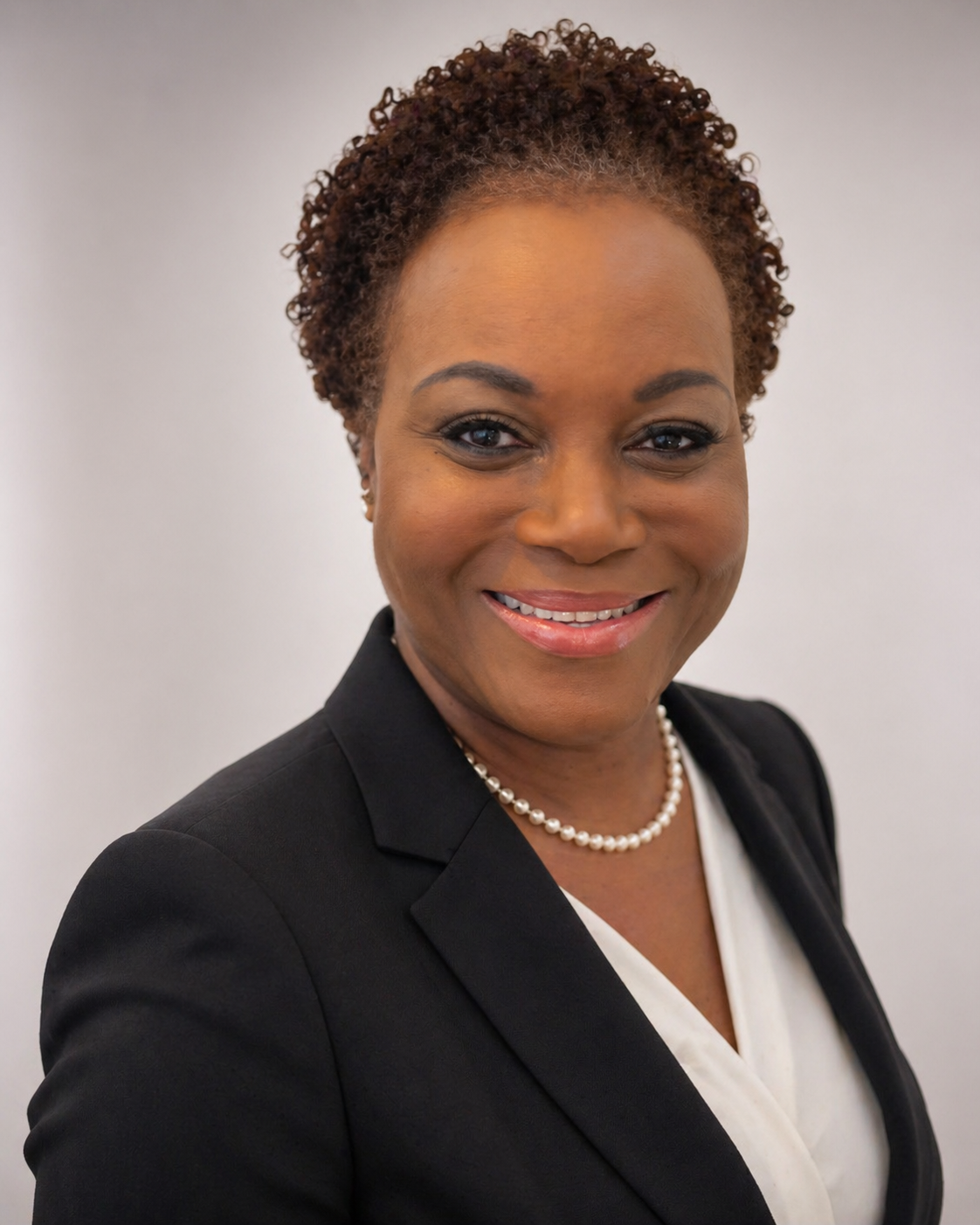
Valerie Williams | Bilingual Notary | Your Signature, My Seal!™ — Founder of Williams Mobile Signings