





September is National Preparedness Month, and emergency preparedness usually brings to mind bottled water, medications, flashlights, insurance, and evacuation plans.
But there is another part of preparedness that is easy to overlook:
Your paperwork.
You may already have important family, medical, legal, financial, or business documents in place. But having documents and being prepared are not necessarily the same thing.
If something unexpected happened tomorrow, would the right person know where those documents are, which versions are current, and what still needs attention?
Having Important Documents Is Only Step One
Earlier this year, I shared 8 Important Documents Every Adult Should Have in Place, including powers of attorney, healthcare documents, wills, consent forms, and other important records.
This time, the question is different: Are the documents you already have actually ready to use?
An emergency is not the ideal time to discover that a document was never signed, information is outdated, or nobody knows where the original is stored. National Preparedness Month is a good time to perform a simple document-readiness audit.
Ask These 5 Questions
1. Is It Current?
Review names, addresses, emergency contacts, authorized individuals, beneficiaries, caregivers, and other information that may have changed. Marriage, divorce, moving, health changes, or new caregiving or business responsibilities may be reasons to review important paperwork.
If you are unsure whether a legal document needs updating, consult a licensed attorney.
2. Is It Complete?
Separate completed documents from drafts and paperwork that still needs attention. A simple system is:
- Ready — completed and current
- Review — may need updating or professional review
- Action — needs a signature, witness, notarization, replacement copy, or another step
3. Has It Been Properly Executed?
Not every important document requires notarization, and requirements vary. Review the document instructions or ask the attorney, agency, or organization receiving it what is required. If notarization is necessary, complete that step before considering the document finished.
4. Can the Right Person Find It?
A completed document cannot help much if nobody knows where it is. Would the appropriate person know to look in your home safe, secure filing system, digital vault, family binder, attorney’s office, or another designated location?
Preparedness does not mean giving everyone access to sensitive information. It means making sure the right person knows how to locate the right information when necessary.
5. Does Someone Know What to Do Next?
Someone may also need to know who to contact, such as your attorney, physician, insurance provider, accountant, caregiver, or another trusted professional.
FEMA’s Emergency Financial First Aid Kit recommends organizing important household identification, financial and legal records, medical information, and household contacts before an emergency. You can review it here for additional guidance.
Create a Family Emergency Document Hub
Create one secure location for important household information, such as:
- Personal identification records
- Medical and insurance information
- Estate planning documents and emergency contacts
- Property, caregiving, and child-related information
- Instructions for locating important originals
For a more structured system, my Family Emergency Binder can help keep important family information organized in one place.
If you are helping care for an aging parent or loved one, my Caregiver Binder can help organize medications, appointments, contacts, and caregiving details.
Small-Business Owners Need a Preparedness File Too
If you own a business, ask yourself: If I could not work for the next two weeks, would someone know what absolutely needs attention?
A basic business preparedness file may include:
- Business formation and insurance records
- Key vendor contacts and recurring financial obligations
- Important contracts and authorized signer information
- Website, software, and emergency operating information
- Business continuity or succession information
For small-business owners, my Small Business Continuity Binder provides a structured place to organize key information, emergency procedures, and continuity planning details.
For notary professionals, my Notary Business Operations Planner offers a more industry-specific way to organize client intake information, appointments, finances, and daily operations.
Do Not Forget Digital Access
Think about how much important information exists behind passwords: email, cloud storage, banking, insurance portals, business software, and websites.
Avoid writing passwords inside an unsecured binder. Consider using a secure password manager or another protected system, and make sure the appropriate trusted person understands your emergency-access process.
Does Something Still Need to Be Notarized?
Your document review may uncover paperwork that is complete but still requires notarization. Before scheduling:
- Review the document for completeness
- Bring acceptable identification
- Confirm whether witnesses are required
- Make sure necessary signers are available
- Avoid signing beforehand when the signature must be witnessed
- Ask the receiving organization or an attorney about requirements you do not understand
Williams Mobile Signings provides professional mobile notary services in English and Spanish.
We proudly serve clients across Fayette, Clayton, and Coweta counties, including Fayetteville, Peachtree City, Jonesboro, and surrounding communities in Metro Atlanta.
Ready to complete your notarization? Schedule your mobile notary appointment here.
Start With the Free Emergency Document Checklist
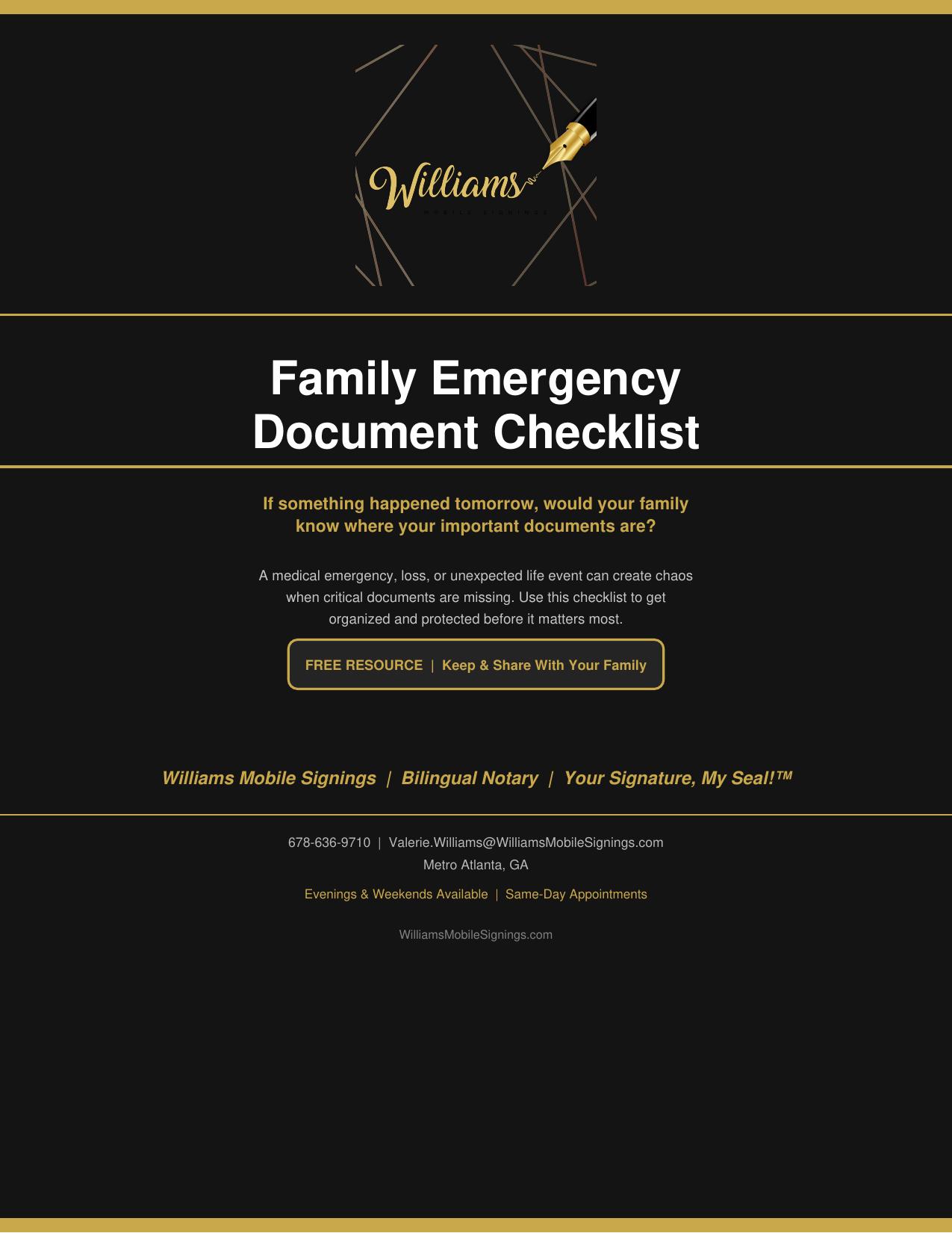
If you are not sure where to begin, start with my Family Emergency Document Checklist. Use it to review what you already have and identify paperwork that may still need attention.
Your National Preparedness Month Challenge
Before September ends, take one hour to:
- Gather your most important family or business records.
- Remove outdated or duplicate copies from your active files.
- Separate completed documents from those needing attention.
- Identify anything requiring signatures, witnesses, notarization, or professional review.
- Make sure the appropriate trusted person knows where important information is stored.
Preparedness is not simply having the paperwork.
It is making sure that paperwork is current, complete, properly handled, securely stored, and accessible to the right person when it is needed.
Williams Mobile Signings is not a law firm and does not provide legal advice or prepare legal documents. If you have questions about which documents you need, how a document should be completed, or its legal effect, consult a licensed attorney.
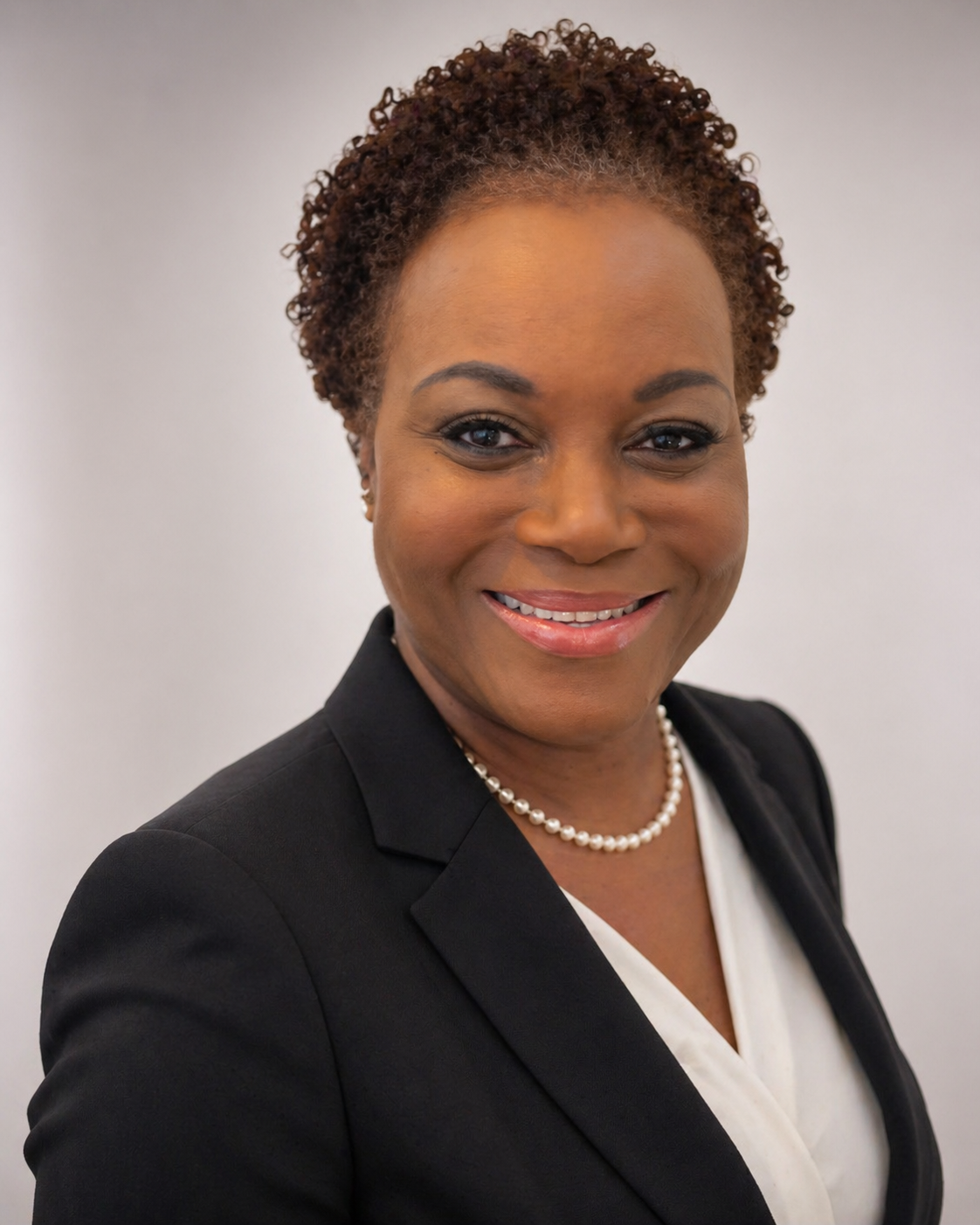
Valerie Williams | Bilingual Notary | Your Signature, My Seal!™ — Founder of Williams Mobile Signings