





Si estás buscando un notario que entienda tu idioma y tu cultura, estás en el lugar correcto. En Williams Mobile Signings, ofrecemos servicios notariales móviles bilingües — en inglés y en español — para toda el área metropolitana de Atlanta. Sigue leyendo para entender por qué un notario bilingüe no es lo mismo que un intérprete, y por qué esa diferencia importa.
Imagine sitting across from a stack of documents written entirely in English. You understand the general idea — you are signing something important — but the specific language is not clear. Your cousin is on speakerphone, translating as best she can. The notary stamps the page, you sign, and everyone leaves.
It feels fine. Until the document comes back rejected. Or worse — until you realize later that you agreed to something you did not fully understand.
Language access is not a small detail in a notary appointment. It is a protection. And a bilingual friend on speakerphone is not the same thing as a bilingual notary sitting across the table from you.
Speaking a Language Is Not the Same as Working in One
There is a real difference between everyday conversational Spanish and the language used in professional legal documents. Terms like “affidavit,” “power of attorney,” “jurat,” “acknowledgment,” and “indemnification” do not translate casually. They carry a specific meaning that a conversationalist may not be equipped to explain clearly or accurately.
A bilingual notary is trained to work in both languages — not just speak them. That means explaining what each document is, what the signer is agreeing to, and what the notarial act being performed actually means. In both English and Spanish. At the same table.
Georgia Law Requires Direct Communication with the Signer
This is not just a best practice — it is a legal requirement. Under Georgia notary law, a notary must be able to communicate directly with the signer. A translator standing in the room or a family member on speakerphone does not satisfy this requirement.
If a language barrier exists between the notary and the signer and no bilingual notary is present, the notarization cannot be properly completed. Any document notarized under those circumstances may be challenged or rejected.
For Spanish-speaking clients in Metro Atlanta, this means a bilingual notary is not a convenience — it is often a necessity.
What Can Go Wrong Without Bilingual Support
The consequences of a language barrier at a notary appointment are real:
- A signer agrees to terms they did not fully understand because no one explained them in their language
- A document is later challenged because the signer’s informed consent was not properly established
- A loan closing is delayed because the signing agent cannot communicate directly with a non-English-speaking borrower
- An apostille application is rejected because the signer used the wrong form, having misunderstood the instructions
These situations happen to families across Metro Atlanta every year — and they are entirely preventable.
What a Bilingual Notary Actually Provides
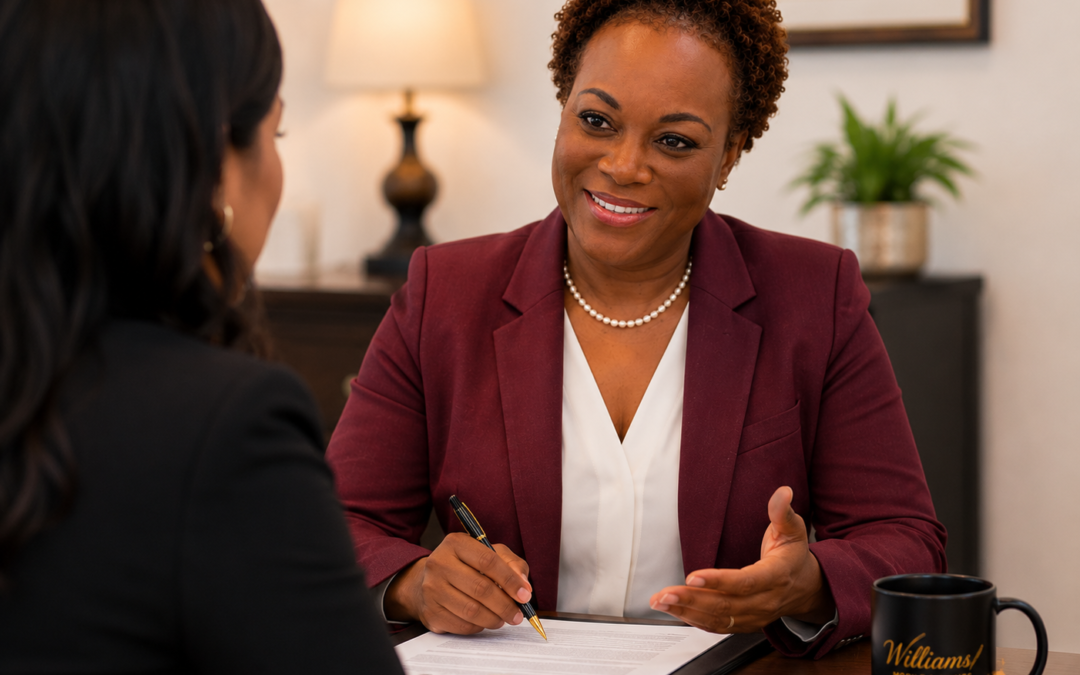
A bilingual notary does more than translate words. They explain the purpose of each document in both languages before anyone signs, confirm that the signer understands what they are agreeing to, answer questions in the signer’s language without relying on a third party, and ensure that consent is informed — not assumed.
This matters especially for estate planning documents, loan signings, powers of attorney, and immigration-related paperwork — documents where a misunderstood clause can have lasting consequences.
How to Find a Truly Bilingual Notary
Not all notaries who advertise bilingual services are equally qualified. The National Notary Association notes that demand for bilingual notaries has grown significantly — particularly for Spanish-speaking communities — as the need for language access in legal document signings continues to increase.
Here is what to look for when searching for a bilingual notary in Metro Atlanta:
- Fluency in legal terminology in both languages — not just conversational Spanish. A qualified bilingual notary can explain what a jurat or acknowledgment means in both languages without hesitation
- Experience with your document type — loan signings, estate planning documents, and immigration-related paperwork each have their own language and requirements
- Proper credentials — a legitimate Georgia notary holds a valid commission, and for loan signings, certification as a Notary Signing Agent
- A mobile option — a mobile bilingual notary eliminates the added stress of finding transportation or a neutral location where a Spanish-speaking signer feels comfortable
- Time to explain before anyone signs — a professional bilingual notary walks through each document in both languages before a pen is picked up, not after
Serving Metro Atlanta in English and Spanish
En Williams Mobile Signings, cada cita — en inglés o en español — recibe el mismo nivel de cuidado, explicación y profesionalismo. Vamos a donde estés, repasamos cada documento antes de firmar, y nos aseguramos de que salgas entendiendo exactamente lo que firmaste.
At Williams Mobile Signings, every appointment receives the same level of care, professionalism, and bilingual support. We come to you, we walk through each document before anyone picks up a pen, and we make sure every signer leaves understanding exactly what they signed — in the language they are most comfortable in.
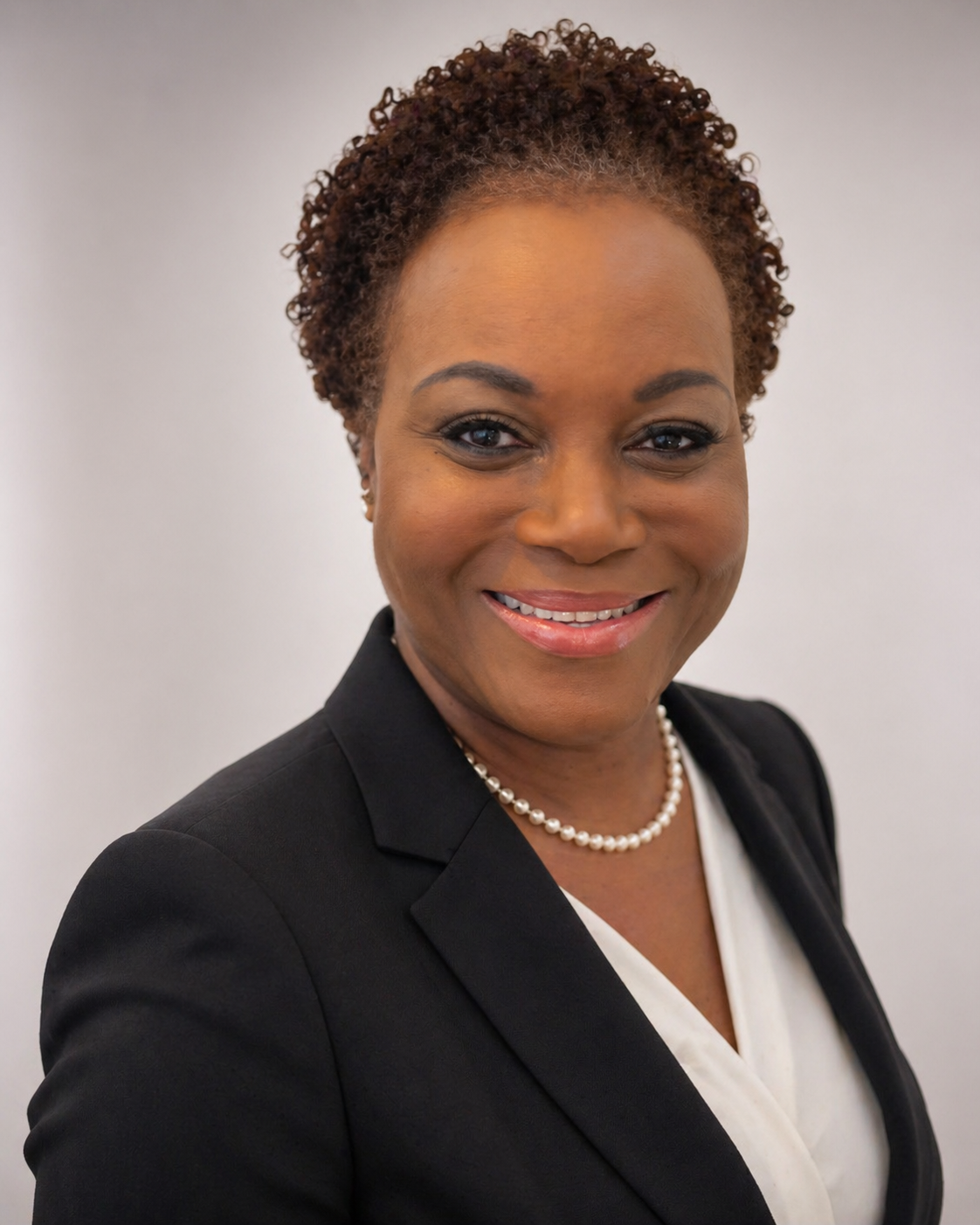
Valerie Williams | Bilingual Notary | Your Signature, My Seal!™ — Founder of Williams Mobile Signings